

Wednesday, September 23, 2009
Dressed to the Nines - the ACER F900 Windows Mobile Phone
Posted by Doug Raeburn in "Pocket PC Hardware" @ 07:00 AM
Camera
The F900's camera is on the current cutting edge of smartphone cameras, with 3.2 megapixels, autofocus and an LED flash. The autofocus is a particularly important feature, since it eliminates the fixed focus lens found on most other camera phones, along with the exposure compromises such cameras must make to provide photos that are in focus.
Unlike many camera phones, the F900 has an actual shutter release button in the upper right hand corner when you hold it in the landscape position. This makes it work much like a dedicated camera. The shutter button serves as a dedicated button to activate the camera mode. It's also designed with the "push halfway for focus, all the way to take the shot" convention used in most digital cameras today.
Settings are relatively sparse, as is typical with camera phones. You can set the photo resolution (up to 2048 x 1536), configure the self-timer, adjust the white balance, add a time stamp to your photos and turn the flash on or off. Try as I might to find them, however, detailed specs about the camera hardware weren't available (or at least not easily found).

Figure 23: With lots of light, indoor shots turn out pretty well.
I took what have become my stock pictures for this year to test the camera. The floral arrangement above was next to a window that let a lot of light in. The autofocus wasn't the speediest, taking almost 3 seconds to focus as opposed to less than 1 second with my Canon SD970 compact digital camera. To be fair to the F900, that focusing speed is roughly comparable to that of the HTC Touch Pro2 that I reviewed recently. The final shot seems well focused and has vivid colors, although it seems to lack the crystal clarity of a similar shot with the Canon.

Figure 24: Outdoor shots in sunlight show the camera at its best.
Outdoors in bright sunlight is where these cameras really shine. The photo in Figure 24 has very sharp focus and bright, natural color. There was little difference between this shot and one from my Canon under comparable conditions.

Figure 25: In a dark area with limited light from a flashlight, picture quality suffers.

Figure 26: In closeup shots, the flash can be a big help.
I also did some shots with the flash to test its effectiveness. First, I took a candle as the subject into a dark walk-in closet with a flashlight to provide enough light to compose a picture. As expected, without flash the picture was far too dark to be usable. With flash, I got a usable shot.

Figure 27: A distant shot in dark conditions demonstrates a limitation of the LED flash... it can't cope well with distance.
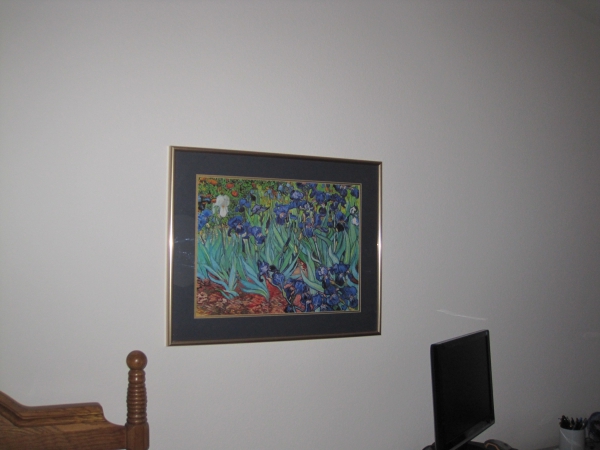
Figure 28: The same shot with the Canon SD970. Just to demonstrate the difference between the LED flash on the F900 and a conventional flash on a dedicated digital camera...
Although the first attempt with the flash was successful, I did suspect that the flash had pretty severe distance limitations (a common shortcoming of such LED flash units). So I took a shot in a darkened room from about 7 feet away using the F900 with its flash on. To compare flash functionality, I took the same shot with my Canon. As you can see, there's almost no comparison. While the F900's flash can be helpful close up, it doesn't have nearly the power or range of a conventional flash.
Finally, I tried a couple of videos with the F900's video camera. It did about as well with exposure as with the still shots, but even slow panning resulted in jerky movement in the video. Although I was unable to confirm with specs, I suspect that the frame rate maxes out at 15 fps, while 30 fps is considered to be the minimum frame rate that appears as seamless motion to the human eye. For the record, the TP2 also maxes out at 15 fps. At any rate, my Canon provides 30 fps and motion is far smoother. The video camera will do for something that you might want to put on YouTube, but if you want any real quality, you'd be far better off with the video function on a digital camera at minimum, or a dedicated digital camcorder at best.
In summary, the F900's camera gave a fine performance for a camera built into a phone. Still shots with ample light can turn out to be comparable to that of a dedicated digital camera. Don't expect a lot of help from the flash or smooth action shots with the video camera. But if you stick with its strengths as a still camera, it should give you satisfactory results.